
Fruit Party vs Avalon — Which to Choose
20bet lobby is a decent place to see why this comparison gets messy fast: both games are popular, both are from Pragmatic Play, and both can look “simple” until the math starts talking back. Fruit Party is a cluster-pays slot with 96.47% RTP and 2,097,152 ways to win; Avalon is a 5×3 slot with 95.71% RTP and 25 paylines, but the real split is volatility, not just the paytable.
That definition gets slippery quickly. A slot can feel generous because it throws frequent small hits, or stingy because it saves value for rare spikes. The first is Fruit Party’s reputation in a nutshell; the second is closer to Avalon’s mood. If you want a regulator reference for safe play standards and licensed operators, the UK Gambling Commission is the right place to check what a properly licensed market should look like.
Myth 1: “Fruit Party is just a basic fruit slot”
Basic? Hardly. Fruit Party uses cluster pays, which means you are not chasing straight lines across a fixed-payline grid. You need groups of matching symbols touching horizontally or vertically, and that changes the whole rhythm. More connections can mean more action, but it also means the game can bury value in chain reactions rather than obvious line hits.
The numbers make the case. Fruit Party’s RTP sits at 96.47%, which is above the common 96% benchmark, and its maximum win reaches 5,000x the stake. That is not the profile of a casual filler slot; it is a medium-to-high volatility game with enough upside to attract players who want bursts, not drip-feed returns.
- RTP: 96.47%
- Max win: 5,000x
- Format: 7×7 grid with cluster pays
- Volatility: high
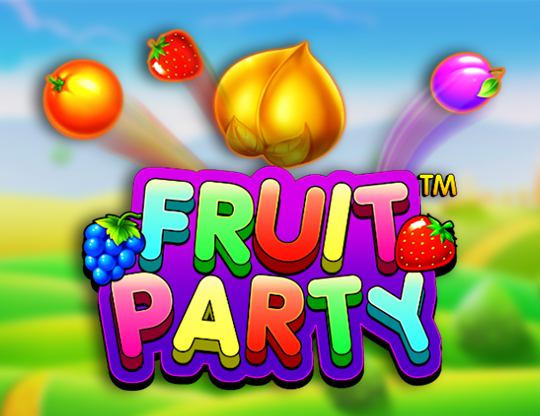
Look at the design and the myth falls apart further. Multipliers can appear on winning symbols and then stack through cascades, so one round can snowball in a way that a traditional line slot rarely does. The game is “fruit” in theme, but structurally it is built for volatility lovers who enjoy watching a board evolve.
Myth 2: “Avalon is safer because it is old-school”
Old-school visuals do not equal safer outcomes. Avalon presents itself as a classic fantasy slot with 25 paylines, but the math is what matters, and the math is less forgiving than Fruit Party’s. Its RTP is 95.71%, which is still respectable, yet lower than Fruit Party’s by 0.76 percentage points. Over many spins, that gap is not decorative.
Avalon’s appeal comes from its structure: a more traditional reel setup, a moderate pace, and bonus mechanics that fit players who prefer readable outcomes. But “readable” is not the same as “better odds.” If two games are both random and both licensed, the one with the higher RTP has the edge on paper, even if the other feels calmer.
| Game | RTP | Win Structure | Max Win |
|---|---|---|---|
| Fruit Party | 96.47% | Cluster pays | 5,000x |
| Avalon | 95.71% | 25 paylines | Around 5,000x |
Here is the logic trap: players often call a classic slot “safer” because the board looks familiar. Familiarity is not variance control. Avalon can still swing hard, especially when bonus features line up, and its lower RTP means the long-run cost is mathematically steeper than Fruit Party’s. The theme is calmer; the bankroll math is not automatically kinder.
Myth 3: “Higher RTP means the better winner every session”
That claim collapses under a simple reality check. RTP is a long-run average, not a promise for a single sitting. Fruit Party’s 96.47% does give it an edge over Avalon’s 95.71%, but the difference is only 0.76%. On a 100-unit sample, that is less than one unit in theoretical return terms. Useful? Yes. Decisive for one night? Not by itself.
“A higher RTP is a better statistical signal, not a guaranteed evening result.”
What decides a session is volatility, hit frequency, and bonus timing. Fruit Party tends to deliver more chaotic, cluster-driven swings; Avalon leans into a steadier traditional feel. If you want frequent board movement and multipliers, Fruit Party has the cleaner case. If you want a slower, more familiar pace, Avalon can be easier to read, but not necessarily easier on balance over time.
Think of it this way: RTP tells you the direction of the long game, while volatility tells you the shape of the ride. Fruit Party offers the sharper ride and the better return profile on paper. Avalon offers a more classic ride with a slightly weaker return profile. Neither changes the random nature of the spin.
Myth 4: “The right choice is obvious once you know the theme”
Theme is the least reliable guide here. Fruit Party’s candy-coloured fruit board and Avalon’s medieval fantasy skin are both presentation layers. The real choice comes down to what kind of slot session you want and how much variance you can tolerate.
Use this quick split:
- Choose Fruit Party if you want higher RTP, cluster pays, and more explosive swing potential.
- Choose Avalon if you prefer a traditional 25-payline layout and a slower, more familiar pace.
- Choose neither on theme alone; the math is the better guide.
One practical angle often gets missed: Fruit Party’s cascades can create a feeling of momentum, which is appealing but also deceptive if you are chasing losses. Avalon’s conventional reel structure may feel more controlled, yet control is an impression, not a guarantee. If your goal is to compare slots responsibly, check RTP, volatility, and max win first, then decide which design matches your bankroll discipline.
So which should you choose? If you want the stronger statistical package, Fruit Party has the edge. If you want the more traditional format and do not mind giving up some return percentage, Avalon still has a place. The better pick is the one whose math, not artwork, fits your session.
