
Understanding the psychology behind gambling behavior
The Allure of Gambling: Why Do People Play?
Gambling has fascinated individuals for centuries, drawing players into its complex world of risk and reward. The psychology behind this allure is multifaceted, combining elements of thrill, escape, and social interaction. People are often drawn to gambling as a form of entertainment, seeking excitement through games of chance, whether they are playing at a casino or online platforms like spinformulacasinoo.org, which offers a variety of options for players.

The adrenaline rush that comes from wagering money creates a potent mix of hope and anticipation. This psychological high is often similar to that experienced during extreme sports or other risk-taking activities. Players frequently find themselves entranced by the potential for financial gain, which can easily overshadow the reality of losses and risk factors. Moreover, for some individuals, the act of gambling serves as a brief escape from daily stressors, providing a temporary relief from their challenges.
Interestingly, social factors also play a significant role in gambling behavior. Many people enjoy the communal aspect of playing games with others, whether in physical casinos or virtually. This social interaction fosters a sense of belonging and camaraderie, often enhancing the overall experience. The combination of these factors illustrates why gambling remains a popular pastime and showcases the psychological intricacies involved in this behavior.
The Role of Cognitive Biases in Gambling
Cognitive biases significantly impact gambling behavior, shaping how individuals perceive risk and reward. One prevalent bias is the illusion of control, where players believe they can influence the outcome of games based on skill or strategy, despite many gambling activities being purely chance-based. This false sense of control can lead to repeated gambling, as players feel they are capable of winning through their actions.
Another common cognitive bias is the gambler’s fallacy, where individuals mistakenly believe that past events will affect future outcomes. For example, if a roulette wheel has landed on red multiple times, a player might assume that black is “due” to come up next. This misinterpretation of probability can lead to poor decision-making and increased losses. Understanding these cognitive biases is crucial for recognizing how they drive behavior in gambling contexts and can lead to problematic gambling patterns.
These biases can be particularly dangerous for vulnerable individuals, including those with pre-existing mental health conditions. The reinforcement of these false beliefs can lead to a cycle of gambling that becomes increasingly difficult to break. Acknowledging the impact of cognitive biases allows players to better assess their behavior and make informed decisions when gambling.
The Impact of Emotions on Gambling Behavior
Emotional states significantly influence gambling decisions and behavior. Many individuals turn to gambling as a coping mechanism during periods of stress, anxiety, or depression. The temporary emotional relief or excitement derived from gambling can act as a distraction from negative feelings, but it can also lead to detrimental patterns over time.
Moreover, the emotional response to winning or losing can trigger impulsive behaviors. For instance, a big win might lead a player to take greater risks, believing they are on a lucky streak. Conversely, a series of losses can provoke feelings of frustration or despair, prompting individuals to chase their losses, leading to even greater financial and emotional harm. This interplay between emotion and behavior highlights the importance of emotional regulation in responsible gambling.
Recognizing the influence of emotions on gambling is vital for developing strategies to mitigate the risks associated with impulsive betting. Players should be encouraged to adopt mindfulness techniques to foster awareness of their emotional states when gambling. By doing so, they can better manage their behavior and reduce the likelihood of developing problematic gambling patterns.
The Social and Economic Consequences of Gambling
The social and economic implications of gambling extend far beyond individual players, affecting communities and economies at large. While gambling can generate significant revenue for local economies through taxes and job creation, it can also lead to social issues, including addiction and financial ruin for some individuals. These consequences often ripple through families and communities, creating broader societal challenges.
Problem gambling can strain personal relationships, leading to conflicts among family members and friends. Many individuals find themselves in situations of financial distress, resulting in increased stress, mental health issues, and potential legal problems. Communities often bear the burden of supporting those affected, highlighting the complex interplay between gambling and societal well-being.
To mitigate these issues, many regions implement regulations and support systems aimed at promoting responsible gambling. Public education campaigns focusing on the risks of gambling and the availability of support services can help raise awareness. Additionally, casinos and online platforms are increasingly emphasizing responsible gambling practices, creating tools to help players set limits and maintain control over their behavior.
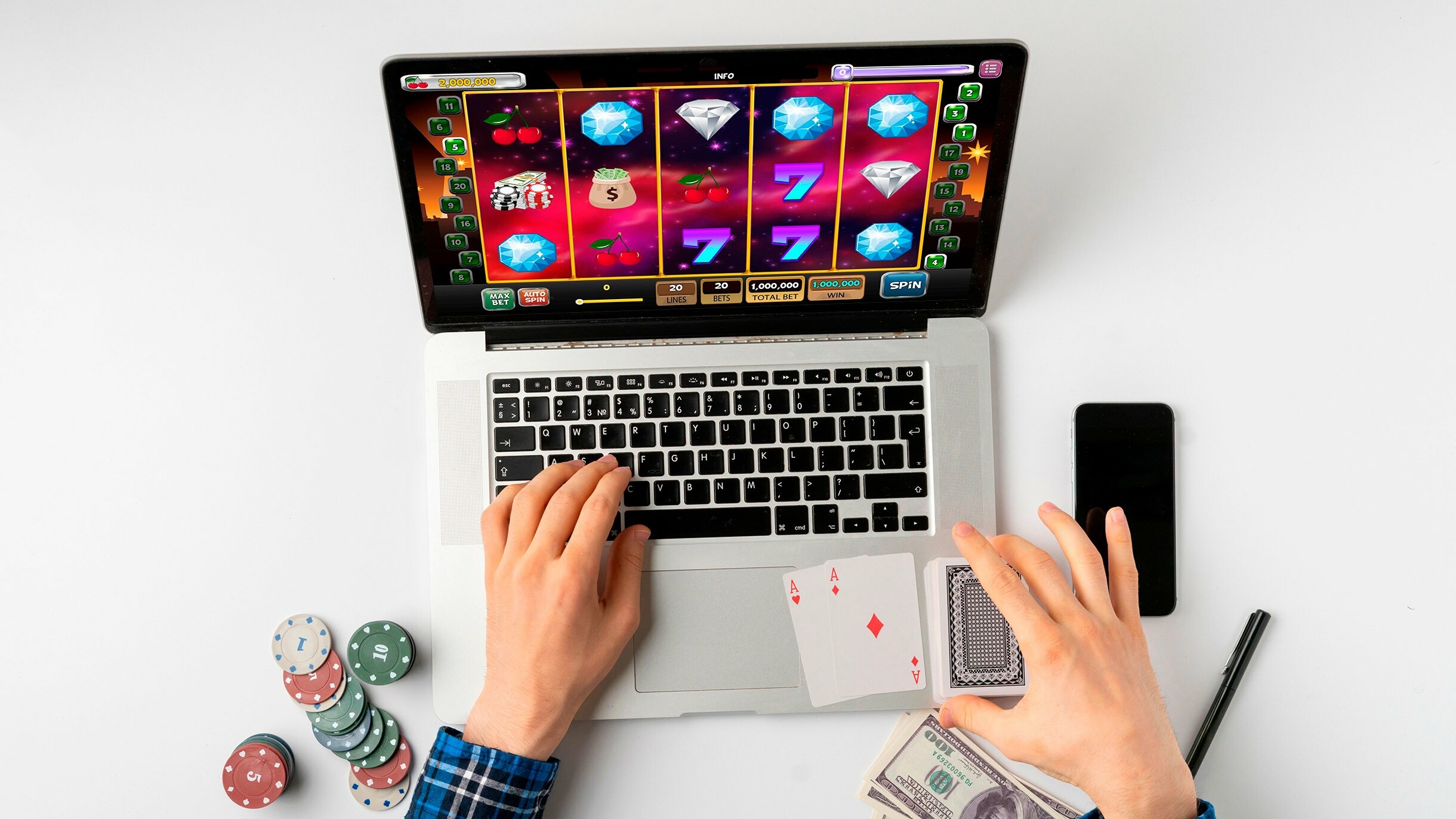
Exploring SpinFormula Casino: A Responsible Gambling Platform
SpinFormula casino is a modern online gaming platform that prioritizes responsible gambling. By offering a range of games and features designed to enhance user experience, it also emphasizes the importance of player protection and well-being. The platform includes tools that allow players to set limits on their deposits and wagers, encouraging a balanced approach to gambling.
Furthermore, SpinFormula casino promotes awareness about the psychological aspects of gambling, providing resources and information to educate players on responsible gambling practices. This focus on understanding gambling behavior can significantly contribute to healthier gaming habits, helping players enjoy the entertainment value of gambling without falling prey to its potential pitfalls.
Overall, understanding the psychology behind gambling behavior is crucial for both players and operators in the gaming industry. By fostering awareness of the psychological factors at play, platforms like SpinFormula casino can help create a safer environment for all users, ultimately promoting a positive and responsible gaming experience.
